Thomas Jefferson, Cryptozoologist
My dissertation argues that Jefferson’s hunt for living mastodons, giant moose and colossal lions makes him an early practitioner of what we now call cryptozoology. The full text is below.
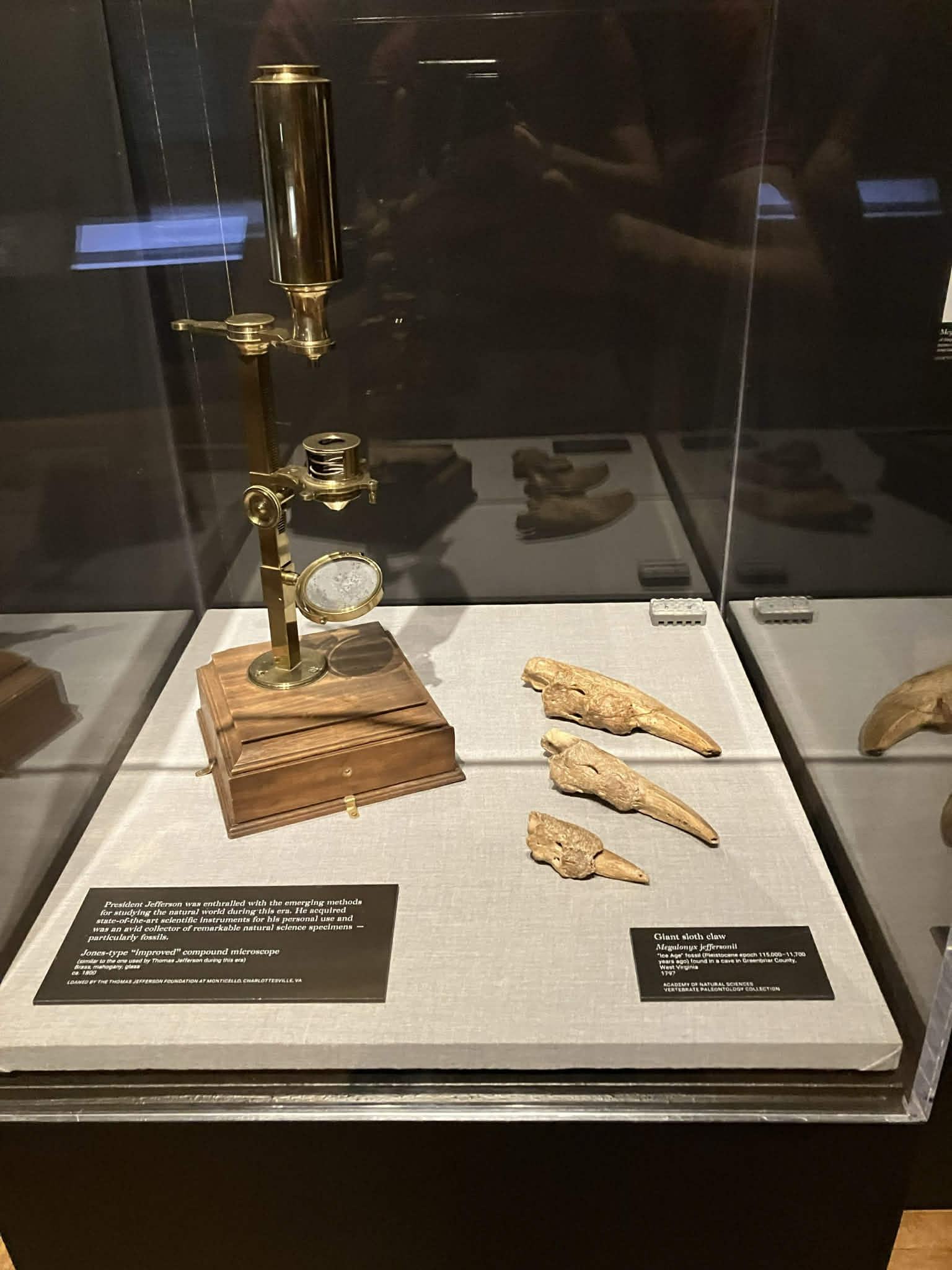
Monstrous animals loomed large in the imaginations of eighteenth- and early nineteenth-century settlers in what became the United States, and few took them more seriously than Thomas Jefferson. His Notes on the State of Virginia, his papers for the American Philosophical Society, the documents surrounding the Louisiana Purchase, his financing of the Lewis and Clark Expedition and his private letters all return to the possibility that undiscovered megafauna were still living in the American interior.
An Enlightenment monster hunter
For a representative of the Enlightenment that belief can look like a paradox. But Jefferson built his case from fossil fragments, from Indigenous American legends read through a euhemerist lens, and from pioneer narratives: the same kinds of evidence that modern cryptozoologists bring to Bigfoot or the Loch Ness Monster. Reading Jefferson this way recasts him as a pioneering cryptozoologist and shows how formative cryptozoological folklore was to American culture.
The dissertation was completed in the American Culture Studies program at Bowling Green State University in 2024. An earlier version of the argument appeared as “Thomas Jefferson: The First Cryptozoologist?” in Religion, Culture, and the Monstrous: Of Gods and Monsters (Lexington Books, 2021).
Read the dissertation
How to cite this entry
Justin Mullis. “Thomas Jefferson, Cryptozoologist.” Justin Mullis (blog), April 1, 2024. https://profjustinmullis.com/archive/thomas-jefferson-cryptozoologist/.